Goji, chia, acai, spirulina, matcha — we're ready to pay premium prices for exotic "superfoods" that don't grow within 3,000 miles of us.
Meanwhile, a real superfood sits in the aisle right next to the pasta. Cheaper, tastier, and backed by hard science. We just don't see it — too used to thinking of it as pizza topping.
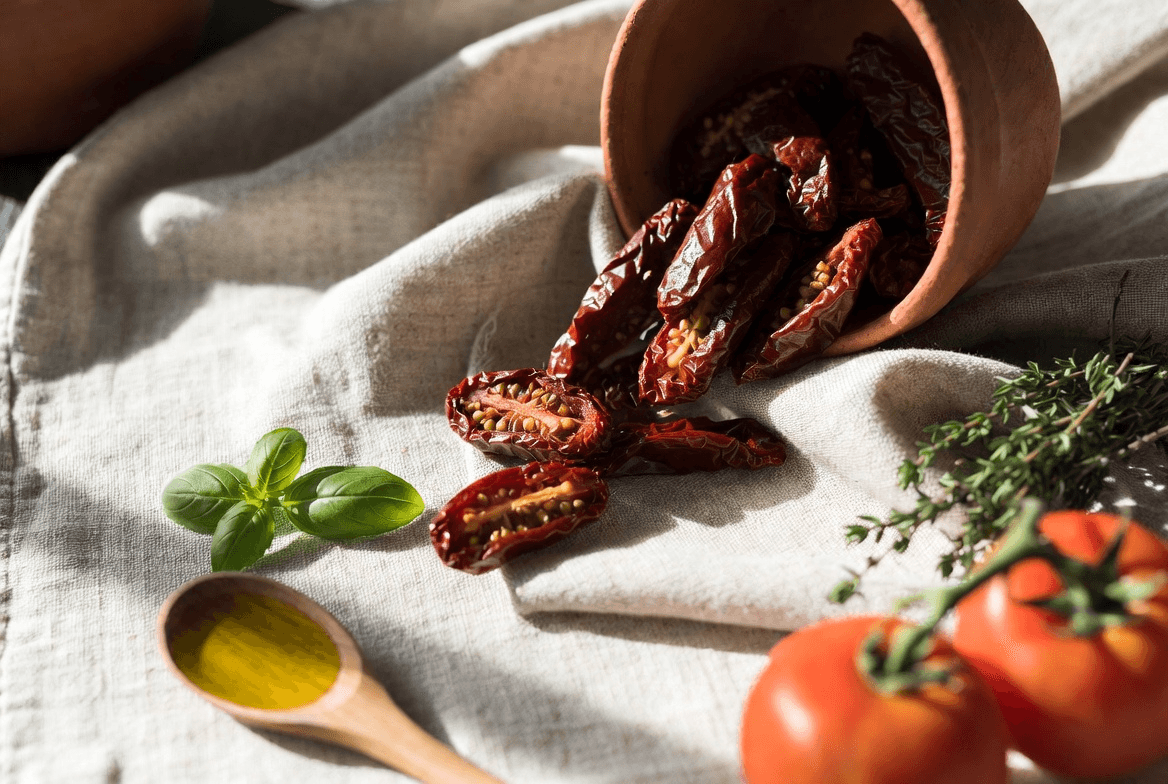
Meet (again): the sun-dried tomato.
Why We Forgot About Them
Tomatoes got culturally cast as a "seasoning vegetable." We slice them into salads, throw them into soup, layer them on sandwiches — and rarely think twice about their nutritional value.
That's a mistake. Because when water leaves a tomato, what remains is a concentrate of vitamins, minerals, and most importantly — lycopene, one of the most powerful antioxidants in nature.
100g of sun-dried tomatoes contains 12x more lycopene than fresh ones. That's not just a number — it's a scientific fact with real health implications.
4 Reasons Sun-Dried Tomatoes Are a True Superfood
Lycopene for Your Heart
The tomato's headline nutrient. A powerful antioxidant linked to a 14% lower risk of cardiovascular disease and 9% lower risk of prostate cancer in meta-analyses. Drying concentrates it 12x.
More Potassium Than Bananas
3,400mg of potassium per 100g — 7x more than a banana. Potassium regulates blood pressure and supports heart and muscle function. One handful covers your daily requirement.
Iron and Vitamin C in One Bite
9mg of iron per 100g (half your daily need) plus vitamin C, which improves iron absorption. A rare natural combination — especially useful for anemia prevention and vegetarians.
12g of Fiber per 100g
More than oatmeal. Fiber supports gut microbiome, slows sugar absorption, and keeps you satisfied for hours.
3 Myths That Stop People From Snacking on Them
"They're for pasta and pizza, not snacking"
A stereotype we picked up from Italian recipes. In reality, sun-dried tomatoes are the perfect standalone snack: satisfying, rich in flavor, zero prep. Just open the bag.
"They're way too salty"
That's the manufacturer, not the fruit. Real sun-dried tomatoes are dried without additives — just concentrated tomato flavor with natural tang. Read the label.
"Exotic product, costs a fortune"
That's sun-dried tomatoes in oil, in fancy glass jars. Dry sun-dried tomatoes without oil are affordable, shelf-stable for months, and cost less per serving than most "trendy" superfoods.
What the Science Says About Lycopene
Lycopene is a carotenoid — the pigment that gives tomatoes their red color. It has one unusual property, rare among vitamins and antioxidants:
It becomes more bioavailable when the food is processed.
Most nutrients break down with heat and time. Lycopene does the opposite: drying and heating break down the tomato's cell walls and release lycopene, making it easier for your body to absorb.
That's why:
- Fresh tomato: 3mg of lycopene per 100g
- Tomato sauce: 15mg
- Sun-dried tomatoes: up to 45mg
Studies published in the Journal of the National Cancer Institute and other peer-reviewed journals link regular lycopene consumption to:
- 9–18% lower risk of prostate cancer (meta-analysis of 26 studies)
- 19% lower risk of stroke (12-year study of 1,031 men)
- Better skin health and protection against UV damage
- Lower LDL ("bad") cholesterol levels
One important thing: lycopene is fat-soluble. For your body to absorb it, eat sun-dried tomatoes with a little healthy fat — olive oil, nuts, or avocado.
6 Ways to Eat Sun-Dried Tomatoes Every Day
1. As a Standalone Snack
The most underrated use. Open the bag, grab 5–6 pieces — you get a deeply savory, umami-rich hit without salt, sugar, or junk. Perfect when you want something "real" rather than sweet.
Serving: A handful (~25–30g, ~65 kcal).
2. In Salads, Instead of Salt
Sun-dried tomatoes deliver such concentrated flavor that you don't need to salt the salad. Slice them into strips, toss with greens, cucumber, and avocado — Mediterranean classic with zero added salt.
3. With Cheese and Nuts — Instead of a Charcuterie Board
Hosting wine night? Swap the cured meats for sun-dried tomatoes. Combined with nuts and cheese, you get a complete board: protein, fat, fiber, lycopene. No nitrates, no trans fats.
4. In Omelets and Scrambled Eggs
An Italian breakfast classic. Finely chop 3–4 tomatoes, stir into eggs in the last minute of cooking. Tastes like you flew to Tuscany this morning.
5. In Pasta, Risotto, Couscous
The obvious one — but it works. Soak them in warm water for 10 minutes, chop, and add to the finished dish. You can cut the salt in half.
6. With Bread and Olive Oil
The simplest and tastiest. A slice of good bread, a drizzle of olive oil, two sun-dried tomatoes on top. Here lycopene reaches its full potential — the fat helps your body absorb it.

Вкусные и свежие беру постоянно
Качество, натуральный вкус. Спасибо производителю
Отличные помидорки,немного кислят,но это на любителя Добавляла в щи,получается как буд- то с кислой капустой- вкусно.


How to Choose the Right Sun-Dried Tomatoes
Not all sun-dried tomatoes are created equal. Most of what sits in jars on supermarket shelves is tomatoes in oil with salt, sugar, preservatives, and vinegar. Tasty — but not really a superfood anymore.
Look for dry sun-dried tomatoes with these qualities:
- One ingredient — tomatoes. No salt, no sugar, no preservatives
- No oil — dry in a regular pouch. You can add oil at home to taste
- Sun-dried or low-temperature dehydrated — preserves more vitamins
- Dense, meaty texture — a sign of a good variety and proper drying
- Deep dark-red color — indicates high lycopene concentration
All Sone sun-dried tomatoes are meaty Armenian varieties, sun-dried without salt, oil, or preservatives. Exactly one ingredient on the label — tomato. Everything you need to get the most out of this product.


Sometimes a superfood isn't the thing flown in from the Amazon at premium prices. Sometimes it's what grew in your grandmother's garden, just in the right form. Try Sone sun-dried tomatoes — and you'll wonder how anyone forgot about this product.
Explore our collection
See more -10%
-10% Bestseller
 Bestseller
 New
New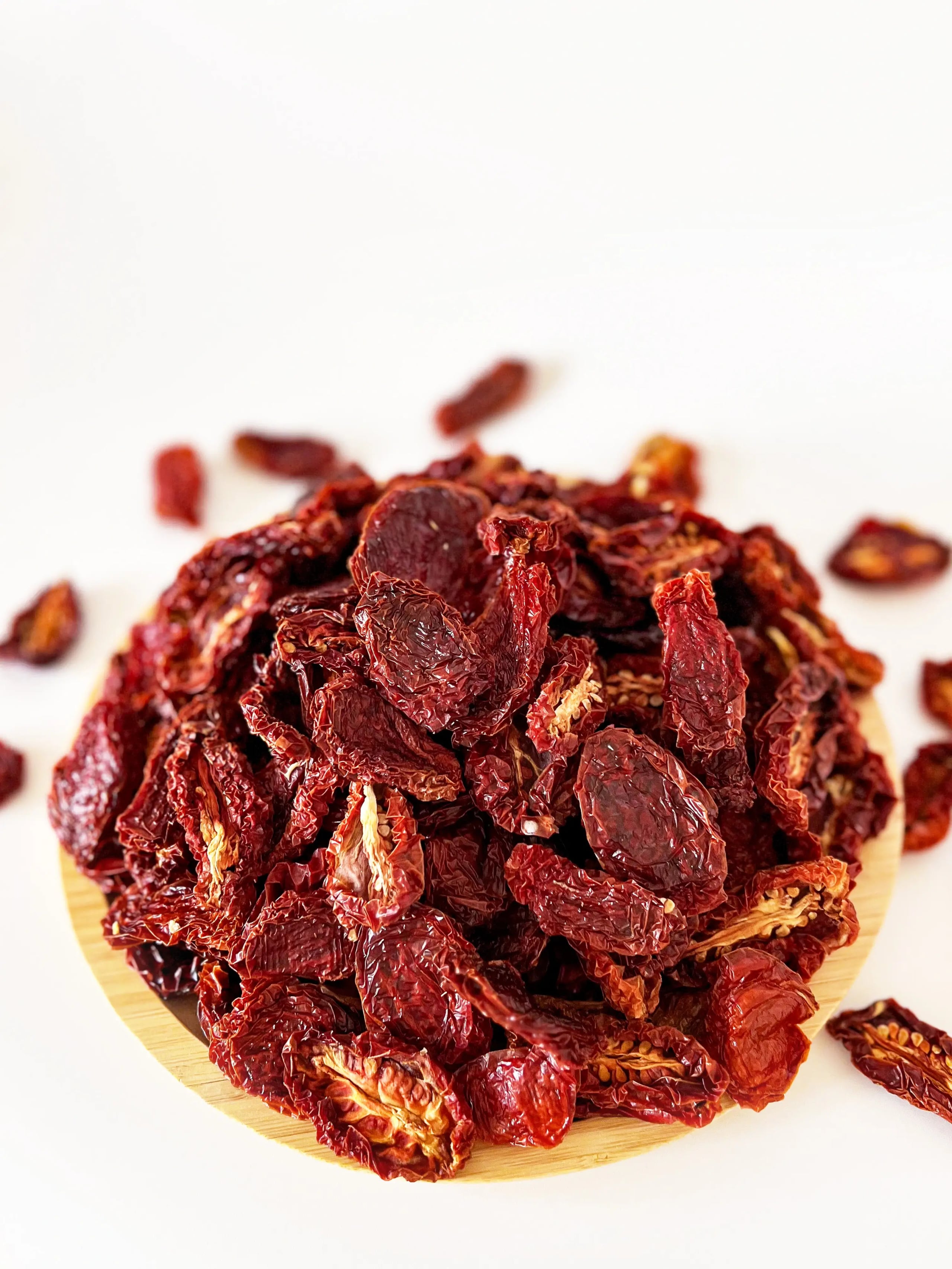 -10%
-10% Trending
 -10%
-10% Trending
Related posts
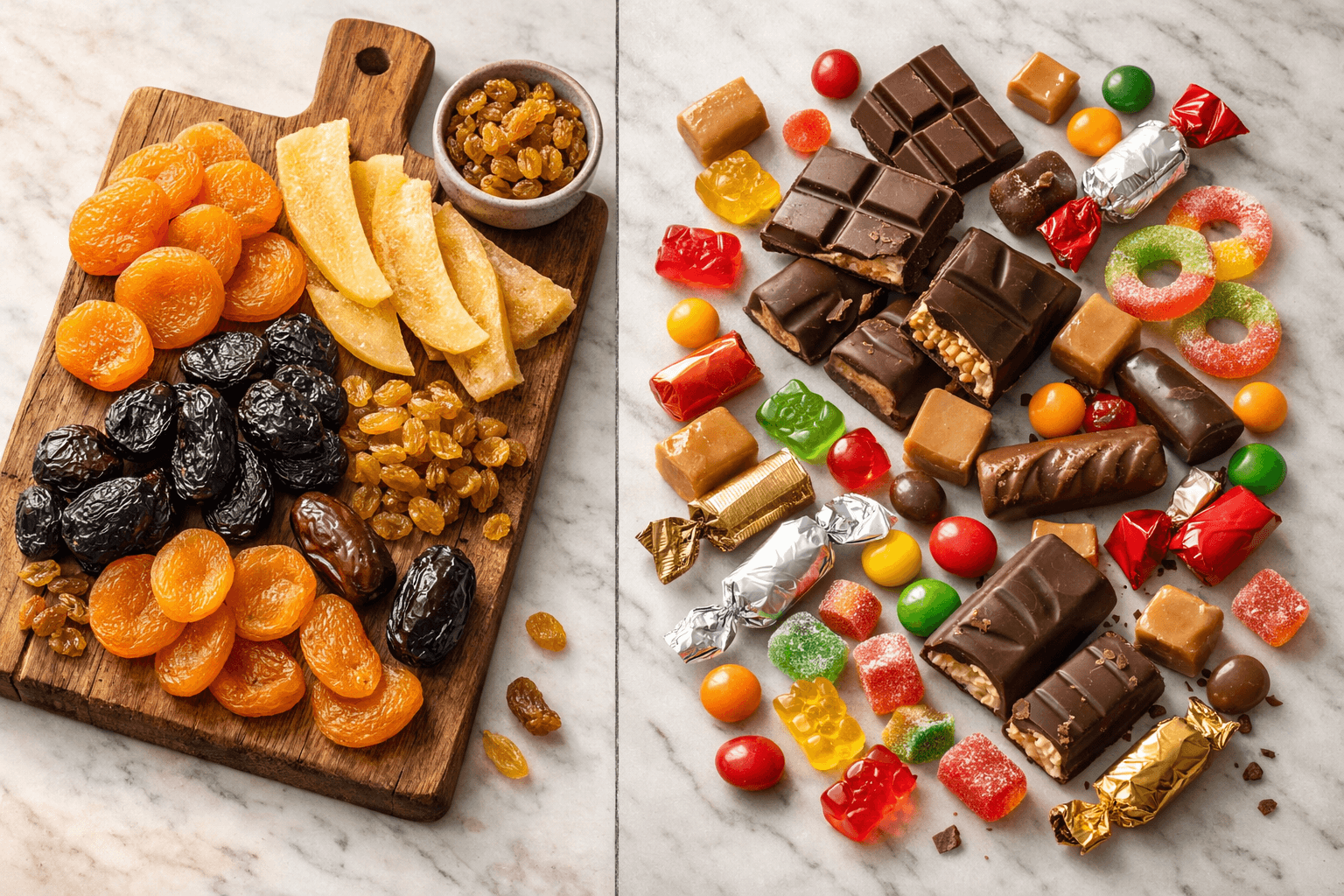
Dried Fruits vs Candy — Which Is Actually Healthier? An Honest Comparison
Both are sweet, both are calorie-dense — but that's where the similarities end. We break down the ingredients, glycemic index, and long-term health impact to settle this debate once and for all.

Healthy Snacks for Kids That They'll Actually Eat
Your child refuses anything 'healthy' but demolishes a bag of chips in seconds? Here's how to swap junk snacks for ones kids genuinely love — and how it directly affects their brain, focus, and IQ.
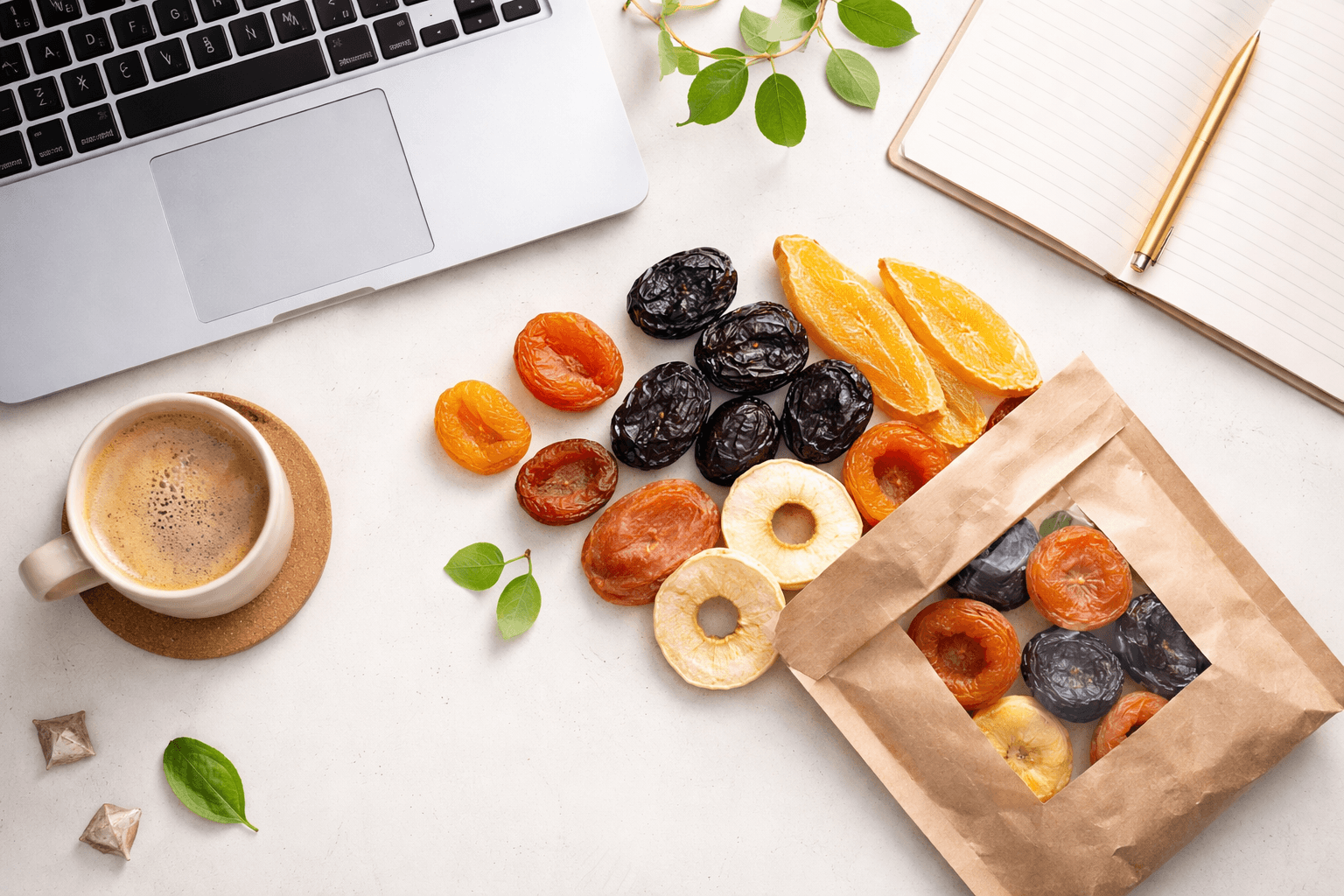
What to Snack on at Work (So You Stop Reaching for Cookies)
Office cookies are a trap. Here's why they leave you wanting more, and what to snack on instead to stay energized all day.