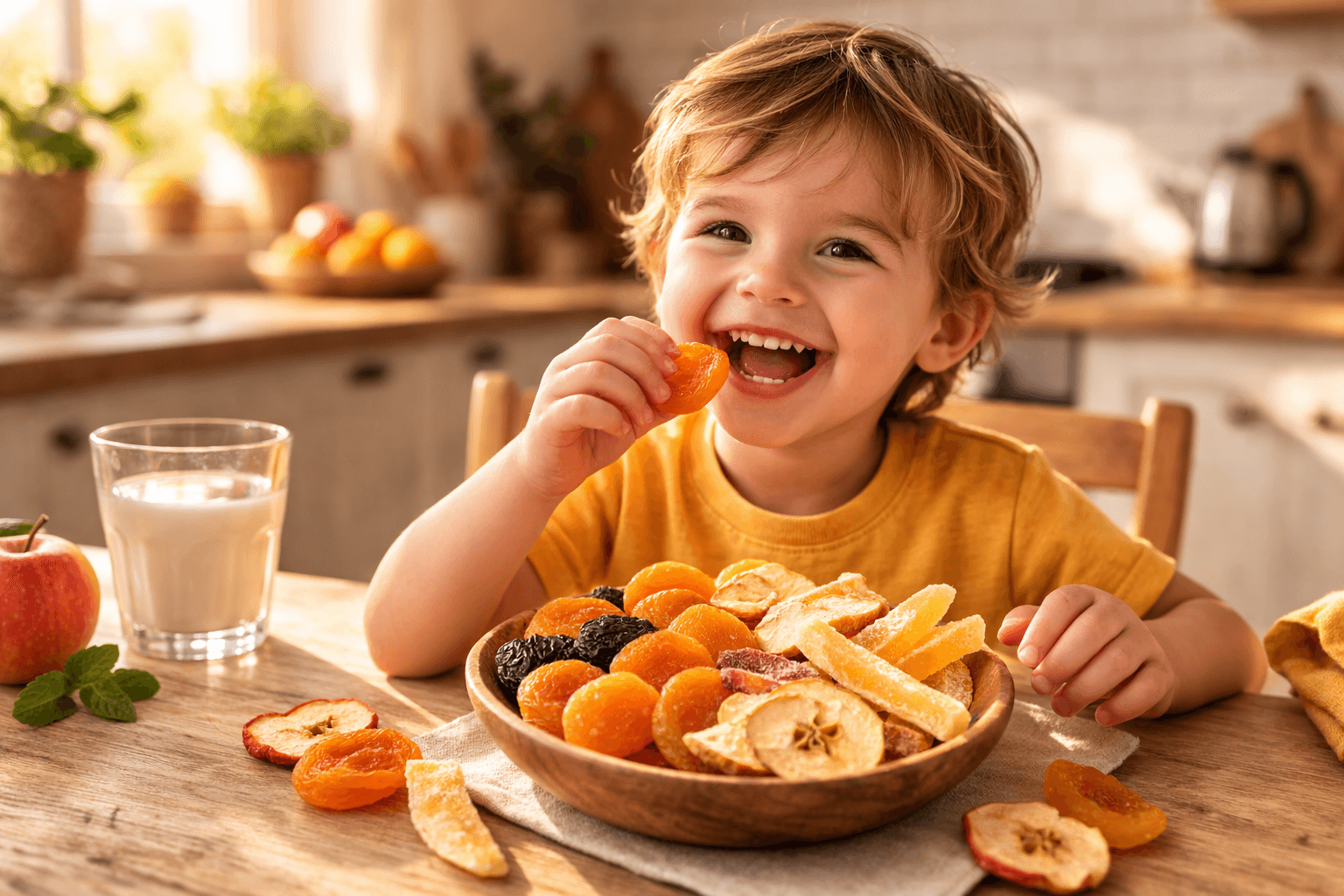
"Mom, I'm not eating that."
Sound familiar? You buy healthy snacks, arrange them nicely on a plate — and your child pushes them aside and asks for cookies. Or chips. Or "just one candy, pleeeease."
And you give in. Because a hungry child feels worse than a child with a candy. Or does it?
Here's the truth: kids aren't born loving chips. It's a habit — and habits can be changed. More easily than you think. And the stakes are higher than you realize: what you feed your child today directly shapes their brain, memory, and ability to learn.
What "Normal" Kids' Snacks Actually Do
The sugar rollercoaster
A chocolate bar gives a 20–30 minute energy spike, followed by a sharp crash. The child becomes irritable, unfocused, and begs for more sweets. It's not bad behavior — it's biochemistry.
Concentration killer
A study in The Lancet (2007) found that children consuming products with artificial colorings and preservatives showed significantly reduced concentration and increased hyperactivity.
Empty calories instead of nutrition
A bag of chips (150 kcal) gives your child zero vitamins and zero fiber. The brain starves — even when the stomach is full. Result: the child eats plenty but gets none of what they need to grow.
How Nutrition Affects Your Child's Brain — What Science Says
This isn't about "eat your vitamins." This is about measurable impact on intelligence.
The University of Bristol study (14,000 children, 2011): children who received a diet rich in fruits, vegetables, and natural foods in their early years scored 5 IQ points higher by age 8, compared to children on diets high in processed foods and sugar.
5 IQ points isn't abstract. It's the difference between "does well in school" and "struggles to keep up."
What a growing brain specifically needs:
- Iron — delivers oxygen to the brain. Iron deficiency in children is linked to reduced cognitive function and memory problems (WHO, 2001)
- Potassium — regulates nerve impulse transmission. Critical for concentration and learning
- Beta-carotene (Vitamin A) — protects neurons and supports visual system development
- Fiber — maintains stable glucose levels. And glucose is the brain's only fuel
- Antioxidants — protect brain cells from oxidative stress
All of this is found in ordinary dried fruits. No pills, no supplements, no convincing required.
Why Kids Love Dried Fruits (When Offered the Right Way)
Natural sweetness
Kids love sweet — it's hardwired by nature. Dried fruits deliver that same sweetness, but from natural fructose 'packaged' in fiber. Your child gets the pleasure, you get the peace of mind.
Convenient format
Small, mess-free, won't crumble or melt. Toss them in a school bag or grab some for a walk — snack ready. No prep, no cleanup.
Long-lasting energy
Thanks to fiber and a low glycemic index (29–42), energy flows steadily without spikes. Your child stays full for 2–3 hours, not 20 minutes like after candy.
The 'wow' texture factor
Chewy melon, soft peaches, crispy apple chips — variety in textures makes snacking interesting. Kids eat with their eyes — and their fingers.
6 Snacks Kids Actually Eat
1. Dried Apples — "Chips, but healthy"
This works with almost any child. Thin, crispy, sweet with a hint of tartness — the format is like chips, but inside it's just apple. Hand them a bag and relax.
Brain benefits: Fiber (stable energy), antioxidants (neuron protection), ultra-low GI (29 — one of the lowest among all snacks).
Age: 3+

Яблоки очень свежие и очень вкусные. Прячу в шкаф, чтоб сразу все не с'есть. Мягкие сладкие плоды с кислинкой. Очень вкусно. Рекомендую продавца и товар. Все, что заказывала, отличного качества
Вкус свежего срочного яблока
Свежайшие💖🙏🏻, очень мягкие и вкусные. Отлично упаковано , СПАСИБО 🤩


2. Dried Melon — The Gummy Bear Replacement
Soft, chewy, with a honey-like aroma. If your child is obsessed with gummy candies — offer dried melon instead. Same texture, but without the gelatin, food dyes, and 50 grams of sugar.
Brain benefits: Potassium (1,118mg per 100g — nerve impulse transmission), vitamin C, natural sugars with fiber.
Age: 3+

Сладкие, много по весу
Качество, вкус
Очень вкусно!
3. Dried Apricots — The Gold Standard of Kids' Snacking
Dried apricots are one of the most nutrient-dense dried fruits. Beta-carotene for vision, iron for the brain, potassium for the nervous system. And naturally sweet — no convincing needed.
Brain benefits: Beta-carotene (70% daily value per 100g), iron (2.7mg — 15% DV), potassium (1,162mg — 33% DV).
Age: 2+ (cut into smaller pieces)

Вкусные и свежие беру постоянно
Качество, натуральный вкус. Спасибо производителю
Курага свежая, вкусная
4. Dried Peaches — The Aromatic Alternative to Toffee
Vibrant fruity aroma, soft texture, sweet-tart flavor. Kids who love "tasty things that smell good" will be fans. Works perfectly as an after-lunch dessert.
Brain benefits: B vitamins (energy metabolism), vitamin C (immunity), dietary fiber.
Age: 3+

Очень мягкие свежие 👍
Натуральный, без сахара. Вкусно. Рекомендую
Свежий персик
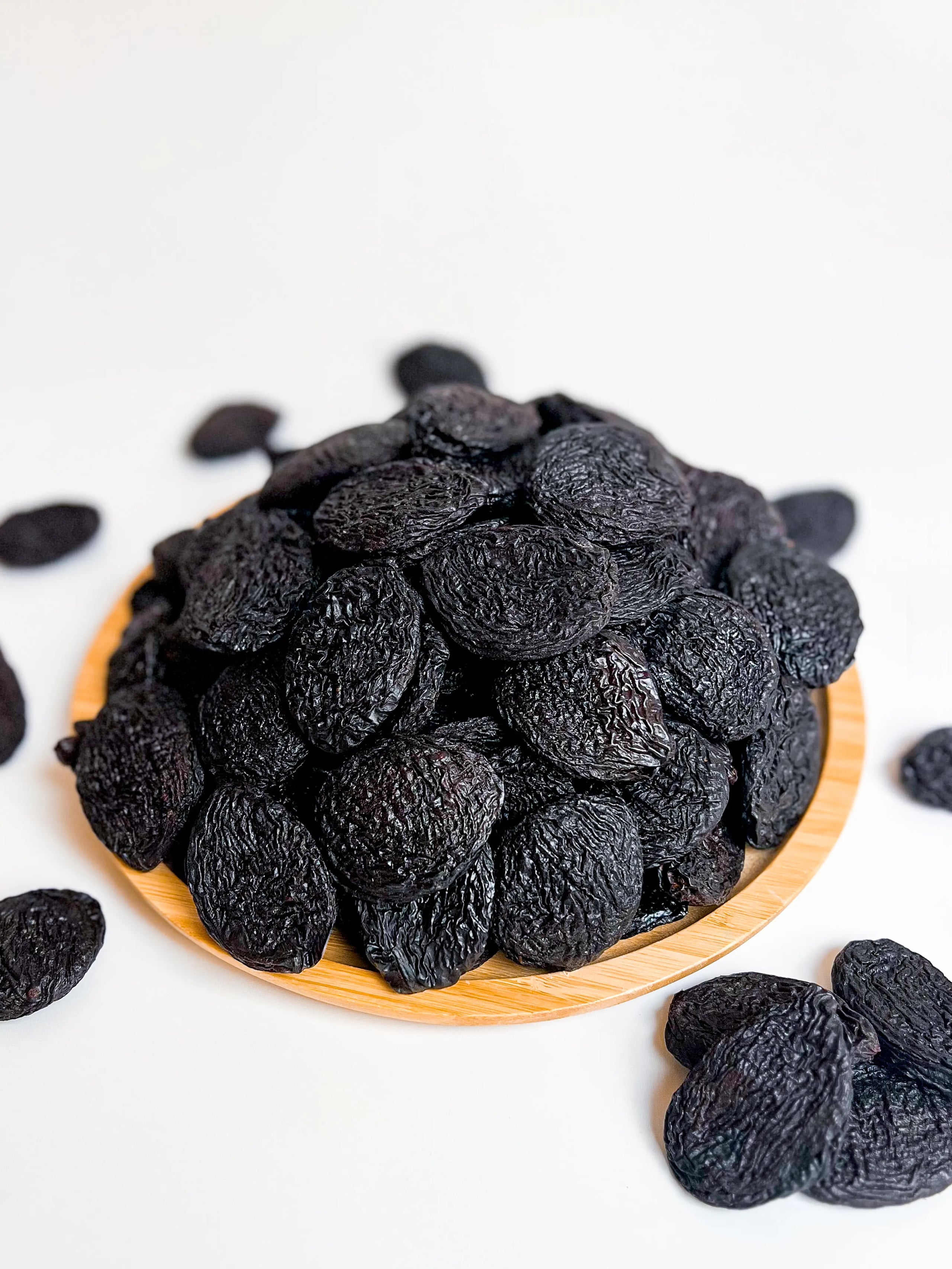
5. Prunes — For Kids Who Like It Soft
Prunes are the fiber champion (7.1g per 100g). Soft, juicy, with a deep rich flavor. Some kids fall in love at first bite — especially if they've been eating candy, because prunes feel like a "grown-up candy" to them.
Brain benefits: Record fiber content (stable glucose = stable concentration), vitamin K, potassium.
Age: 2+

Вкусный чернослив
Классный! Крупный, мясистый, не обработанный серой. Буду еще брать!
Очень вкусный, крупный, мягкий
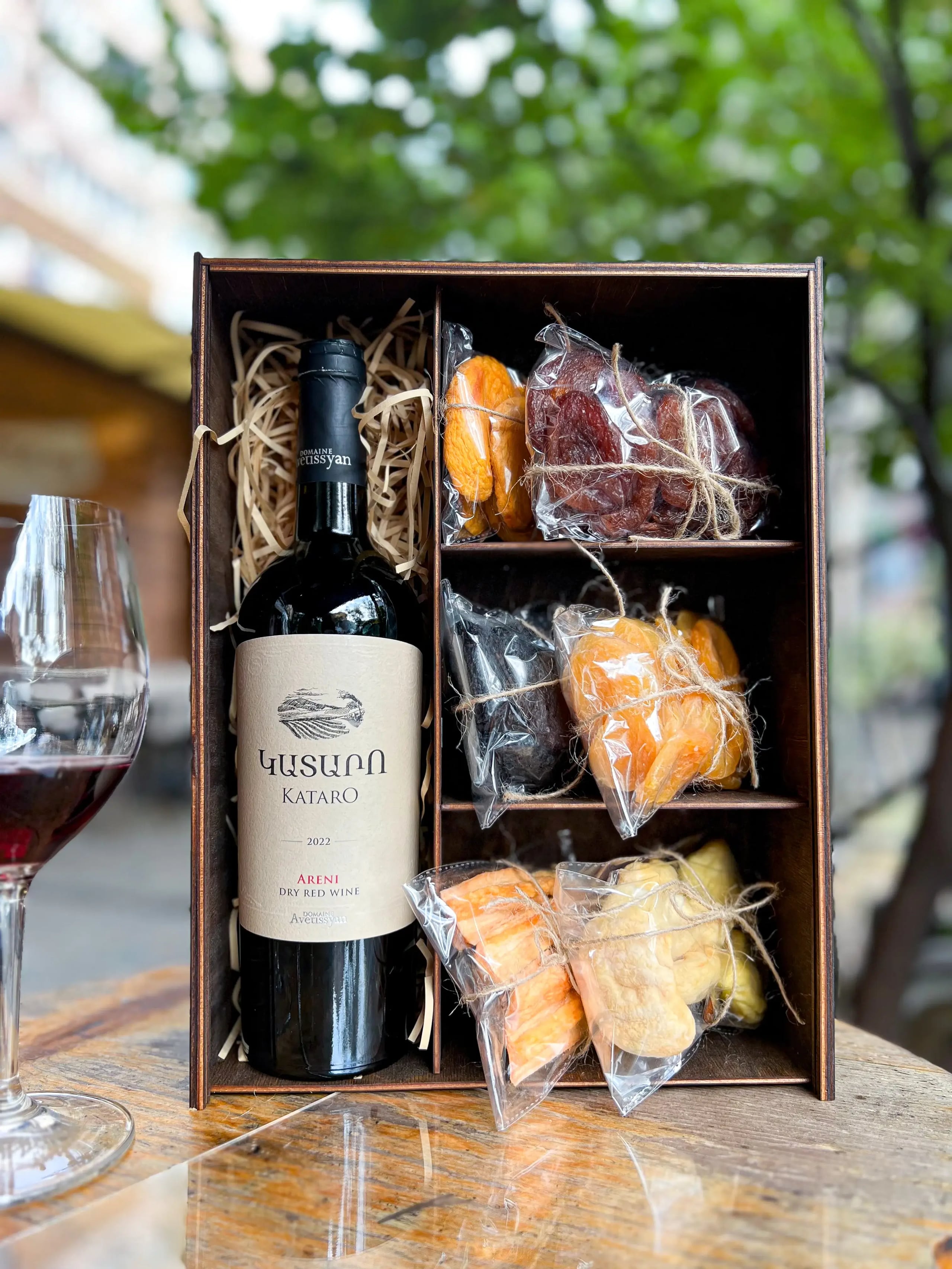
6. Variety Set — Let the Child Choose
Not sure what they'll like? Get a variety set. When a child picks from several options themselves, they eat with more enthusiasm. Psychology at work: "I chose this" = "I like this."
Best for: A perfect first introduction to dried fruits. Spread them on a plate — let them explore.

определенно заслуживаете 5 баллов.Я не сколько раз покупала сухофрукты для подарков и для себя ,но на такие вкусные не попадала.Персик мой фаворит .спасибо
Это просто пушка-бомба! очень вкусные сухофрукты! свежие, без посторонних привкусов. я в восторге! в упаковке были еще вяленые томаты, теперь хочу заказать их отдельно! Спасибо за качество!
Очень вкусно! Свежие сухофрукты. Спасибо
How to Get Kids on Board: 5 Rules That Work
Simply buying dried fruits isn't enough. Here's what actually helps:
- Don't force — offer choices. "Want apple chips or melon?" works better than "Eat dried apricots, they're good for you." Kids resist pressure but love control
- Put them where kids can see them. A bowl of dried fruits on the counter works better than a bag in the pantry. Kids snack on what's visible
- Eat them yourself. This is the most powerful technique. Children mirror their parents. If mom eats dried apricots instead of candy — the child will reach for them too
- Don't ban sweets abruptly. The transition should be gradual. First "alongside," then "instead of." In 2–3 weeks, the habit reshapes itself
- Make it fun. Arrange a "face" from different dried fruits, use nuts as "eyes." For little kids, food is play
How many dried fruits per day for a child?
Recommended serving for ages 3–7: 20–30g (5–7 dried apricots or a handful of apple chips). For ages 7–12: 30–40g. That's a full snack between meals, providing energy for 2–3 hours.
The Bottom Line: Snacking Isn't a Small Thing
Between breakfast and lunch, after school, at practice — kids snack 2–3 times a day. Over a year, that's 700–1,000 snacks. Each one is either an investment in health and brain development, or empty calories riding the sugar rollercoaster.
Dried fruits aren't boring "health food." They're sweet, tasty, convenient — just made from fruit instead of sugar syrup. And kids do love them, when you offer them the right way.
All Sone dried fruits are 100% natural: no added sugar, no preservatives, no sulfur dioxide. One ingredient on the label. Something you'd feel confident giving your child.


700 snacks a year — make each one count. Natural dried fruits with no added sugar: sweet, convenient, and kids actually eat them. Browse our full collection and pick your child's first set.
Explore our collection
See more -10%
-10%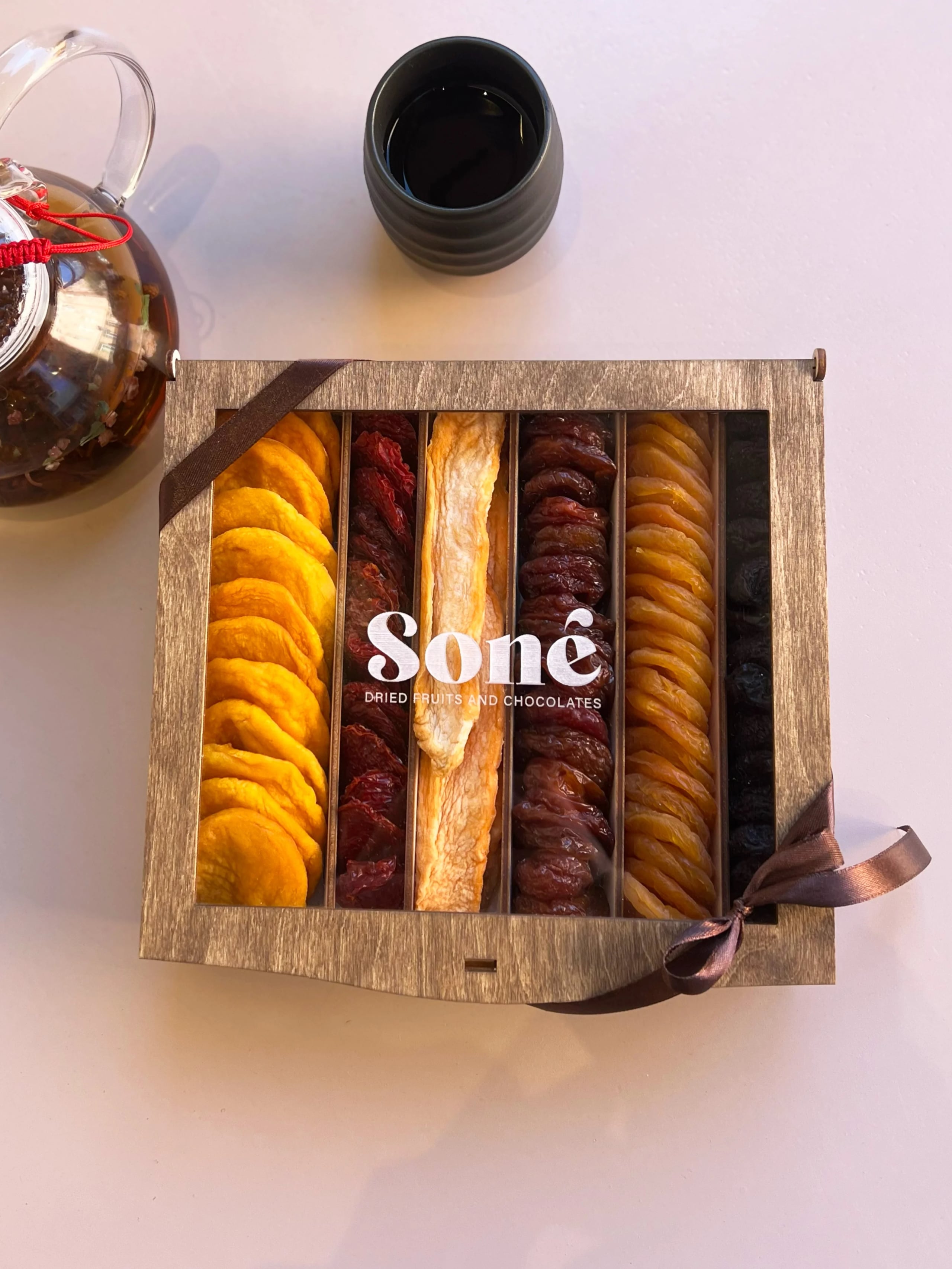 Bestseller
 Bestseller
 New
New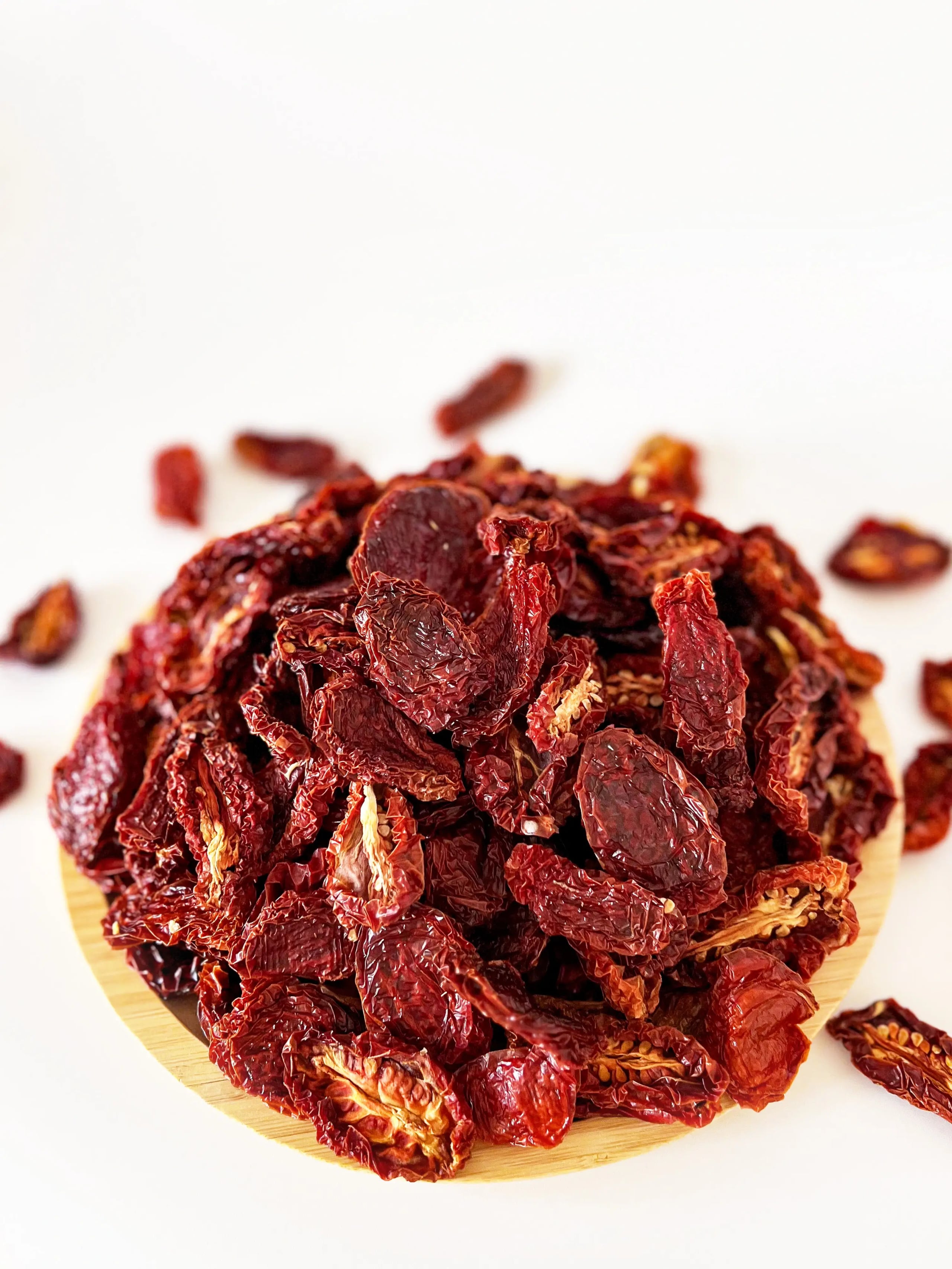 -10%
-10% Trending
 -10%
-10%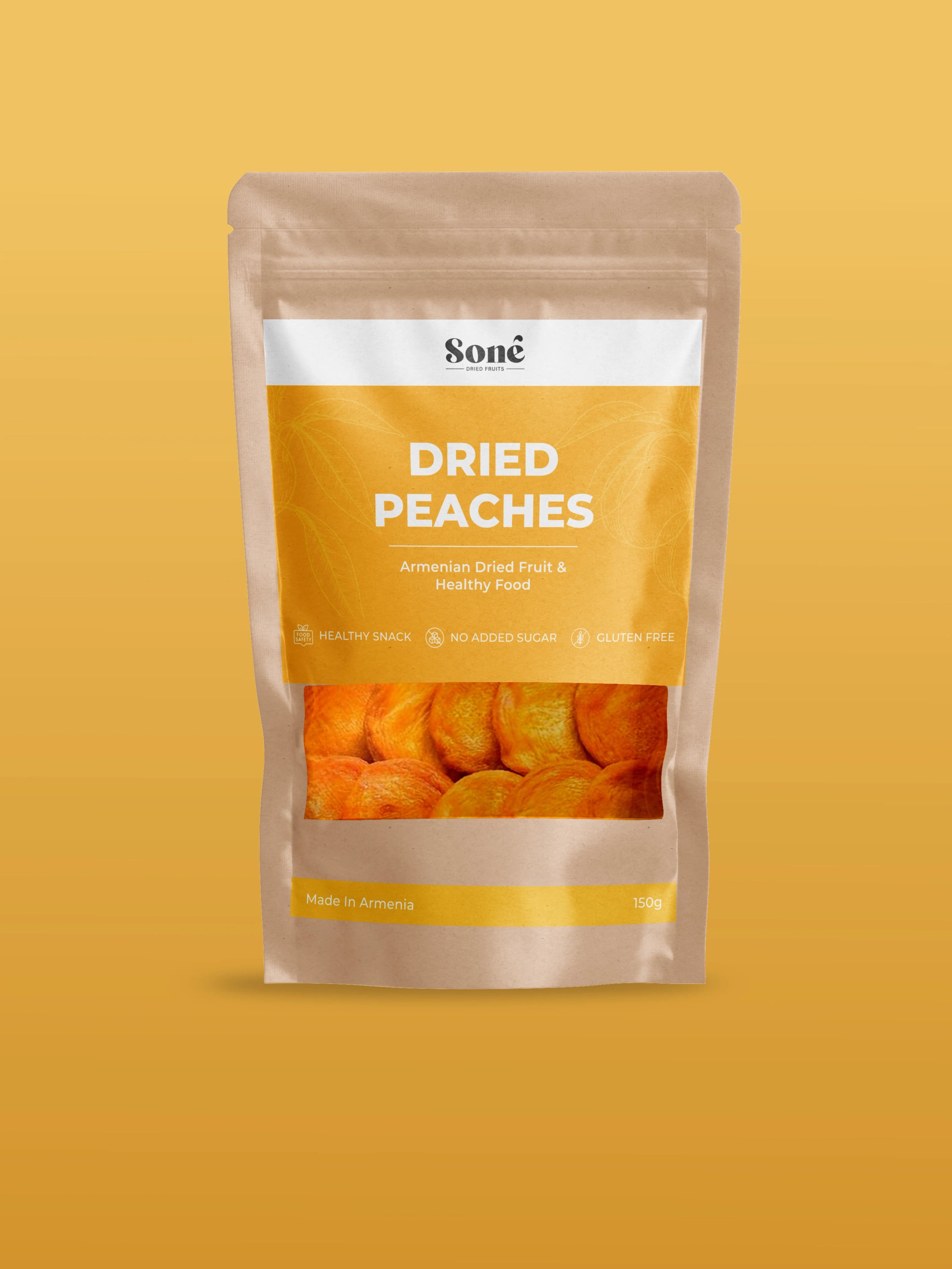 Trending
Related posts
What to Put in an Advent Calendar Instead of Chocolate: 12 Ideas That Beat Candy
Chocolate advent calendars are predictable and often too sweet. Here are 12 ideas for filling those 24 windows — so every December morning feels like a small discovery, for kids and adults alike.
Dried Fruits vs Candy — Which Is Actually Healthier? An Honest Comparison
Both are sweet, both are calorie-dense — but that's where the similarities end. We break down the ingredients, glycemic index, and long-term health impact to settle this debate once and for all.
What to Snack on at Work (So You Stop Reaching for Cookies)
Office cookies are a trap. Here's why they leave you wanting more, and what to snack on instead to stay energized all day.